What Is the Lifespan of a Car Battery?
Car battery is a critical component that ensures the proper functioning of your vehicle’s electrical systems. However, batteries eventually reach the end of their lifespan and need to be replaced. So, how long does a car battery last, and what can be done to extend its life? Here are the details.
Average Battery Lifespan
In general, car batteries have a lifespan of 3 to 5 years. However, this period may vary depending on driving habits, climate conditions, and the vehicle’s electrical load. For example, battery life may be shorter in hot climates, while in colder regions it may last longer.
Factors Affecting Battery Life
-
Frequency of Use: If the vehicle is not used for long periods, the battery may discharge on its own.
-
Climate Conditions: Extremely hot or cold weather can negatively affect the battery’s chemical structure.
-
Electrical Load: Additional accessories and devices used in the vehicle place extra load on the battery.
-
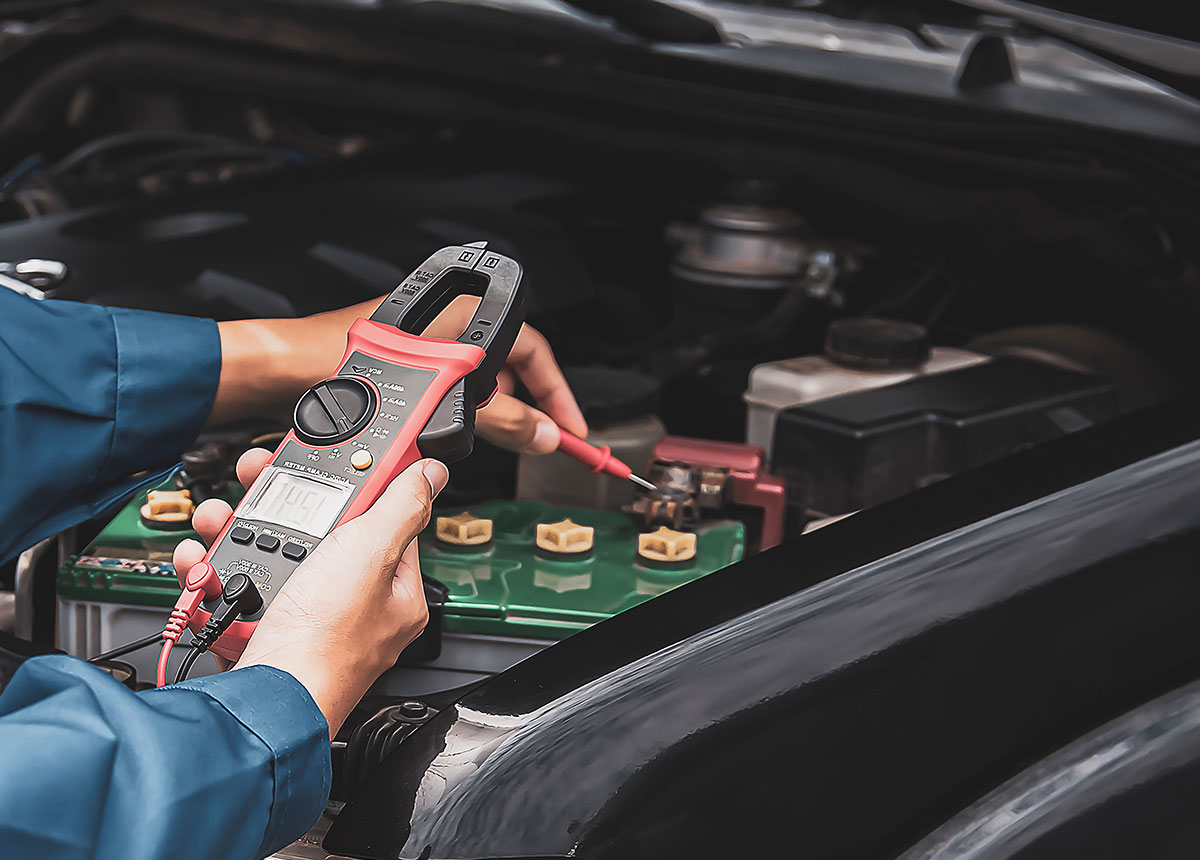
Maintenance and Inspection: Batteries that are regularly maintained and have their voltage checked tend to last longer.
Tips to Extend Battery Life
-
If the vehicle will not be used for a long time, disconnect the battery or use a battery charger.
-
Avoid using devices that consume unnecessary electrical power.
-
Especially in cold weather, start your vehicle periodically to prevent battery discharge.
-
Regularly clean the battery terminals and connection points.
Conclusion
Extending your car battery’s lifespan reduces costs and ensures your vehicle operates smoothly. With proper maintenance and correct usage habits, it is possible to delay battery replacement. By regularly checking your battery’s performance, you can prevent potential issues before they occur.